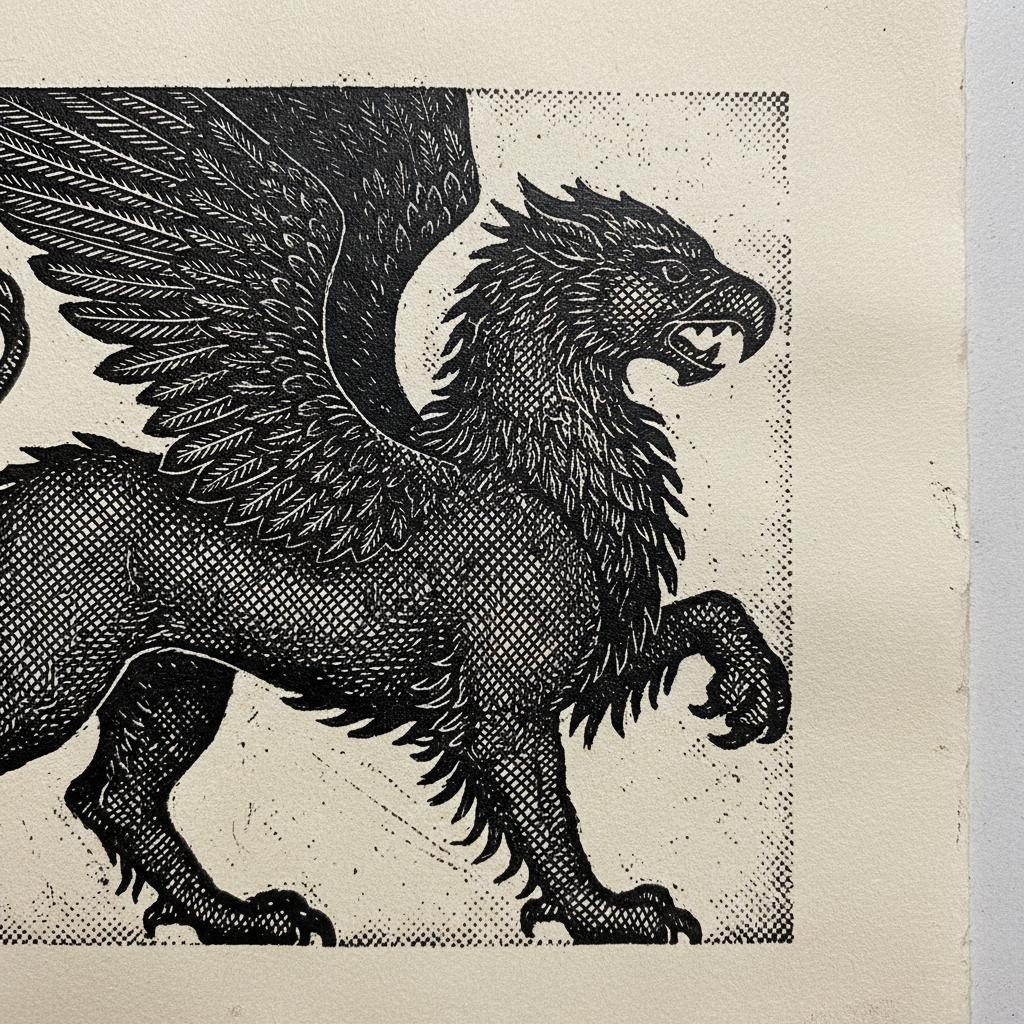
 The Impression
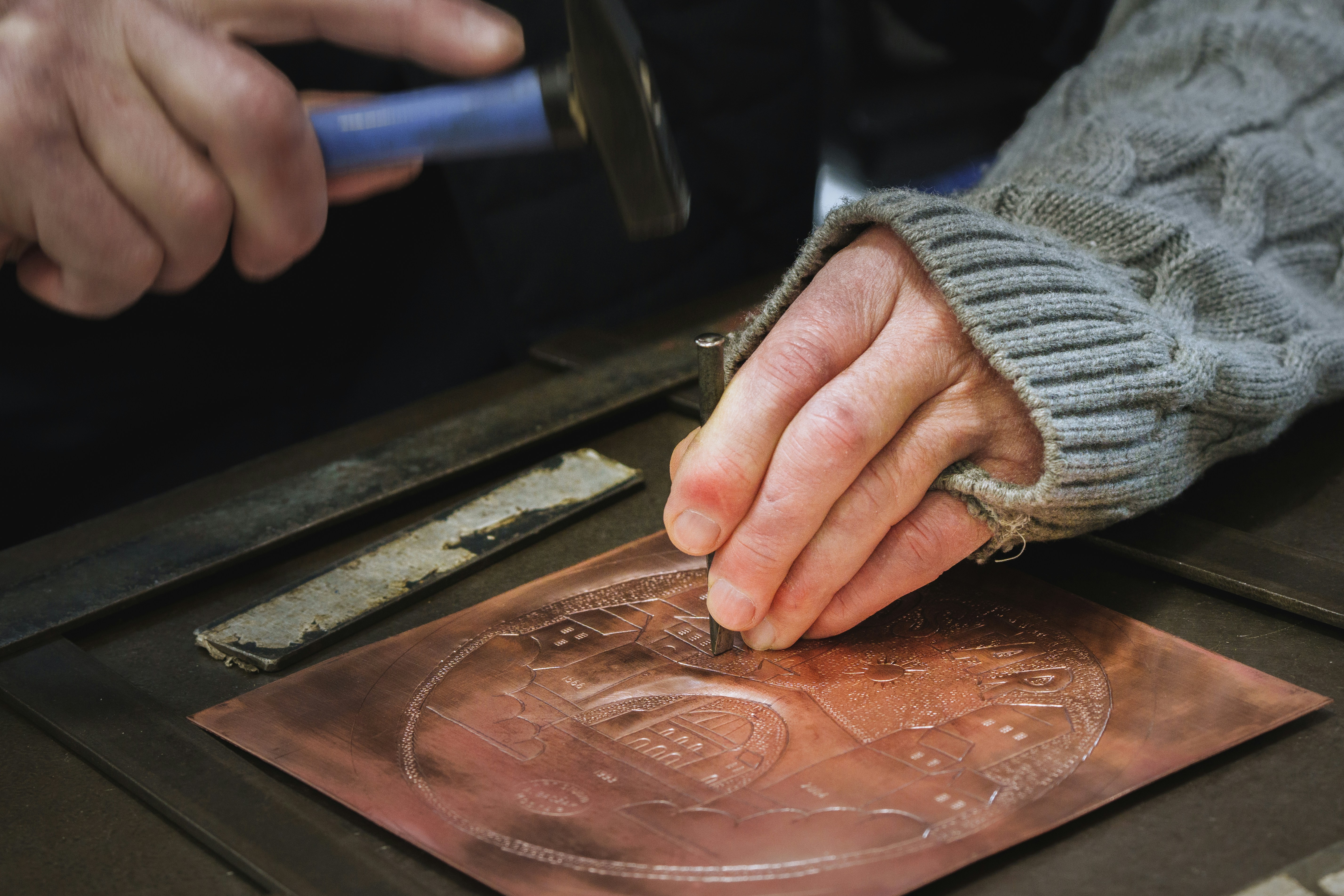 The Matrix
Pulled.
Drag to reveal the impression
The Bookplate
A private collector approached us with a brief that fit on a napkin: "Something that looks like it was made before I was born, for books that will outlast me." Sixty copies. One copper plate. Two colors. Three weeks.
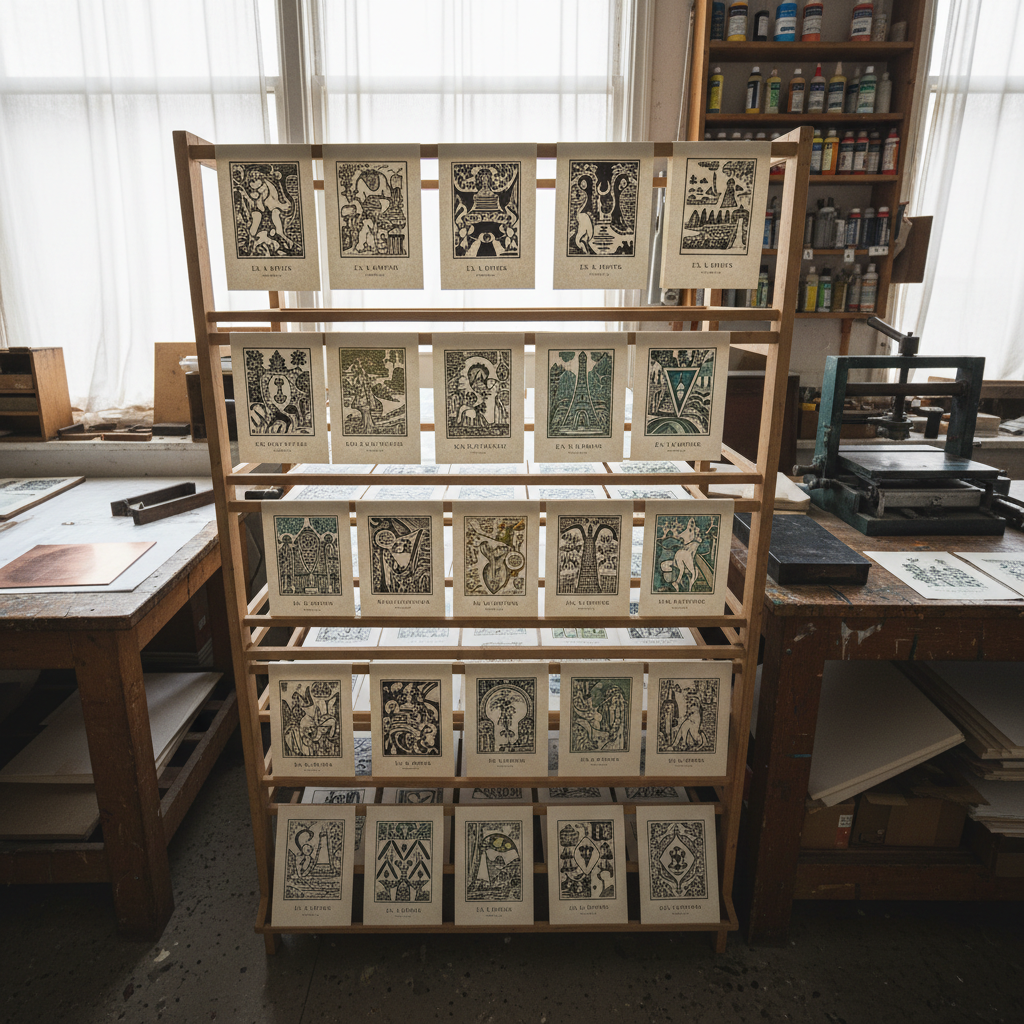
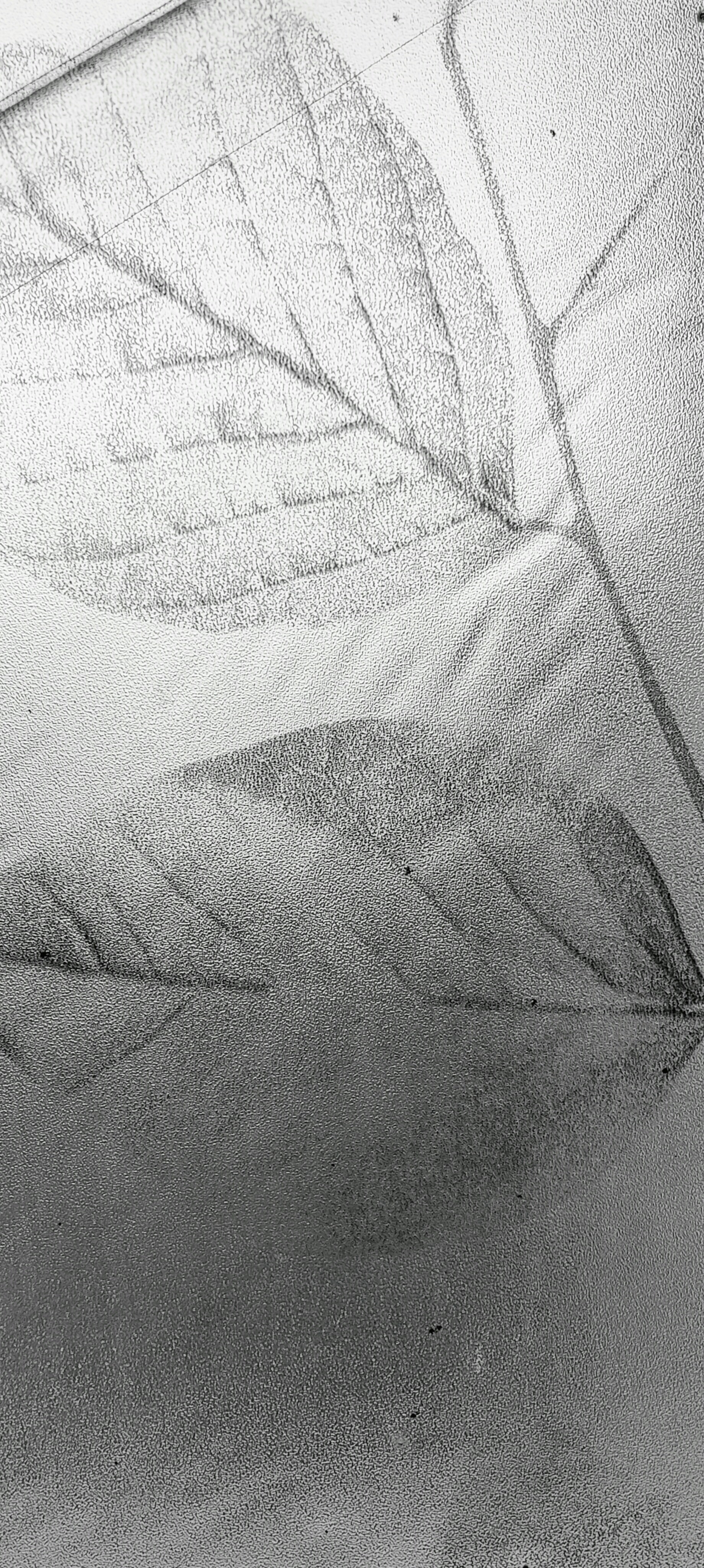
Every element of the plate was drawn by hand — a Victorian-era border built from individual ruled lines, a central cartouche with space for the owner's name, and a hairline Latin motto the client found in a 17th-century commonplace book. The acid did the rest: fifteen minutes in ferric chloride, then a second bite for the deep blacks.
Sixty prints on Arches 300gsm, each signed and numbered in pencil. The collector had them tipped into the first pages of his rarest books. Three years later, he commissioned a second edition for his children. That is the only metric that matters.
The Museum
Commission
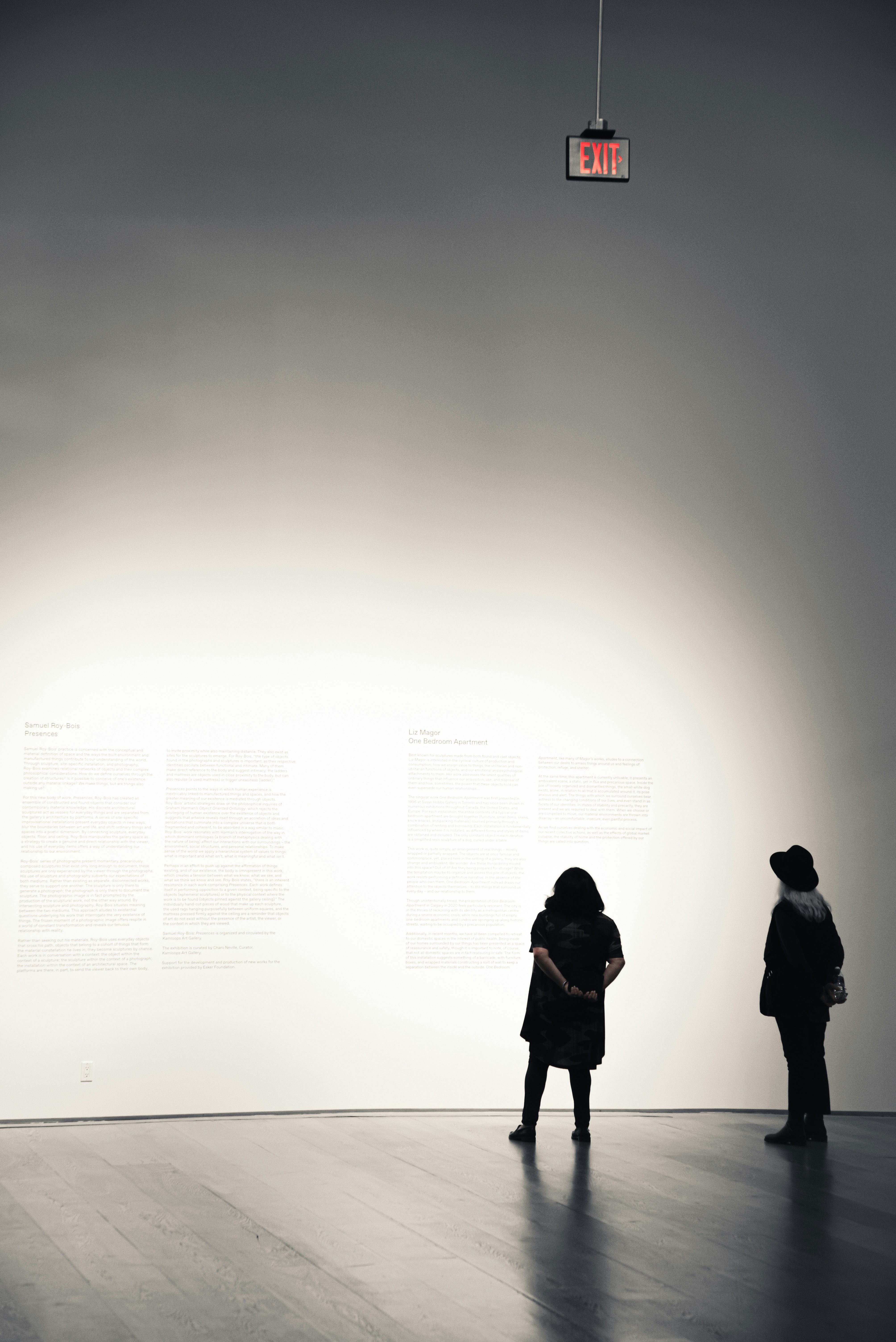
The Meridian Museum of Craft asked for a print to accompany the catalog of their centenary exhibition. Four hundred copies, two languages, one image that had to hold the weight of a hundred years without being crushed by it.
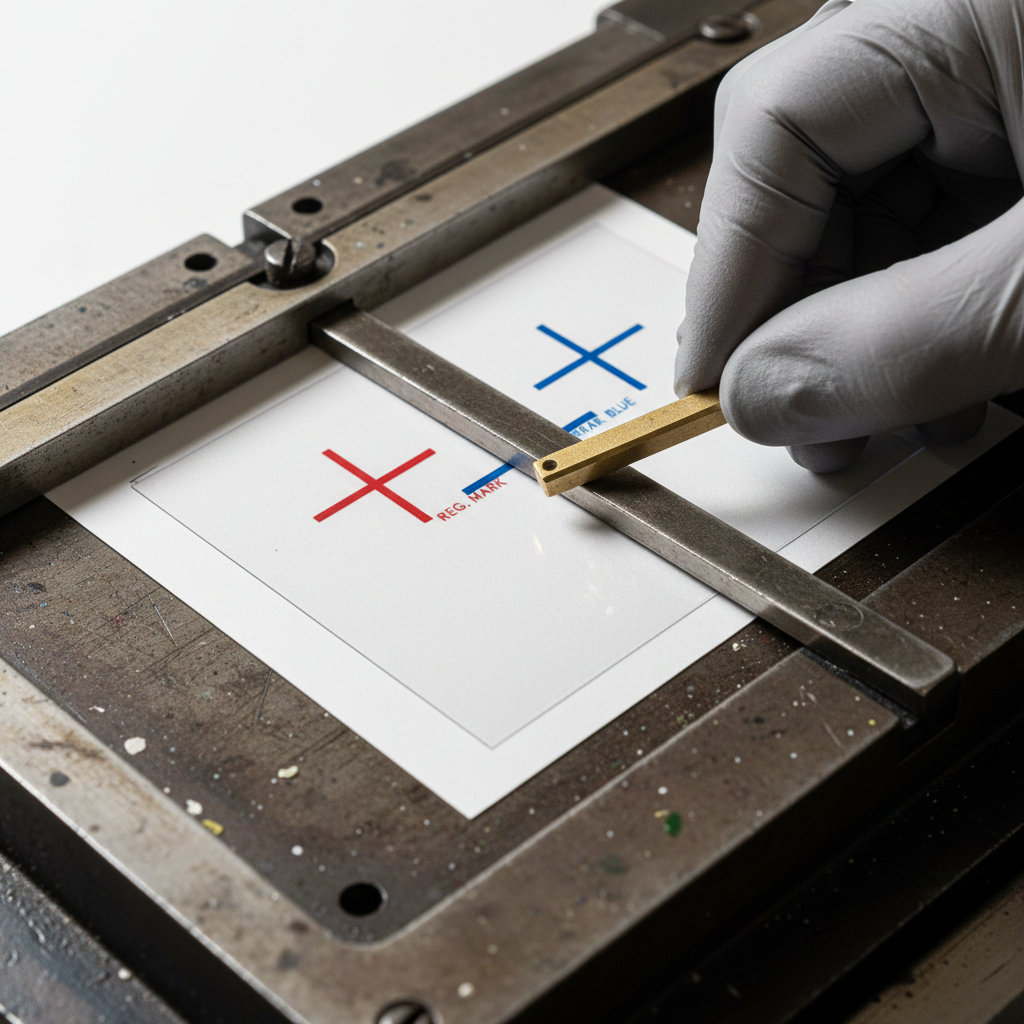
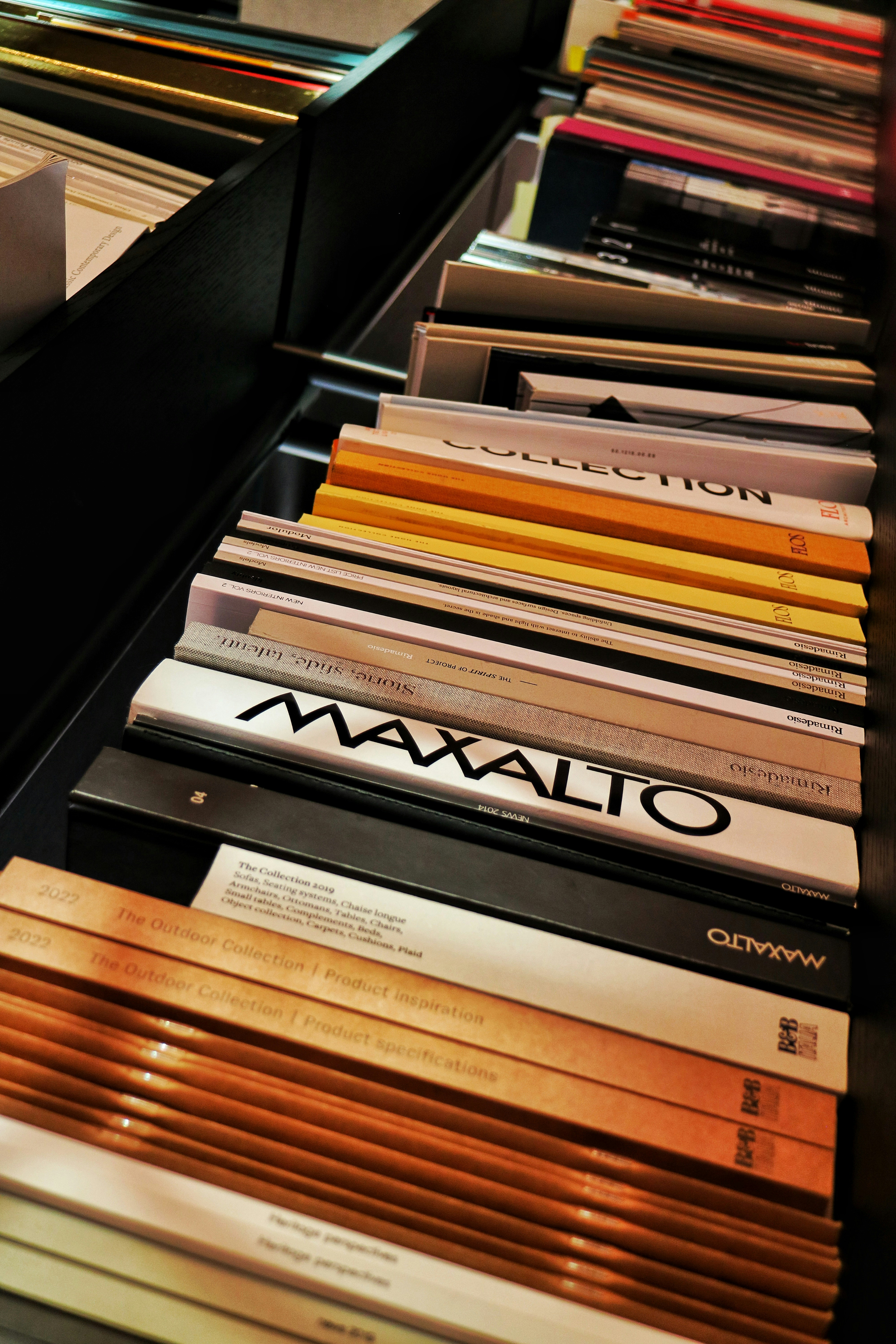
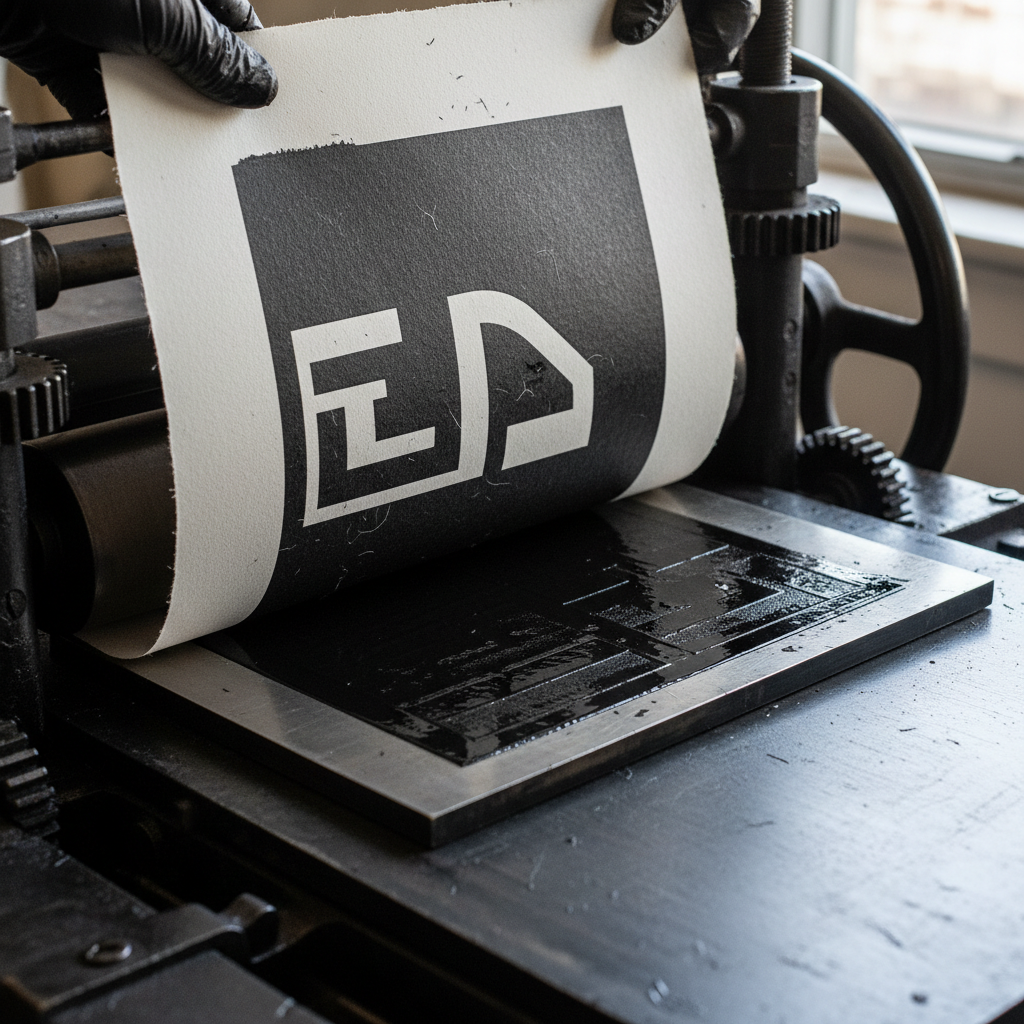
The image — a hand holding a ceramic vessel against a white ground — was drawn in lithographic crayon on mylar, then photographically transferred to a 90-thread mesh. The first color was a warm gray mixed to match the museum's stone floors. The second, a deep prussian that hit the shadow areas and the type.
The third color — a varnish run through a halftone screen — gave the highlights a sheen that changed under gallery lighting. The museum director said it was the first time she had seen a catalog insert that made people stop walking. Four hundred copies. Sold out before the exhibition closed.
Twelve Colors.
One Block.
Five Months.
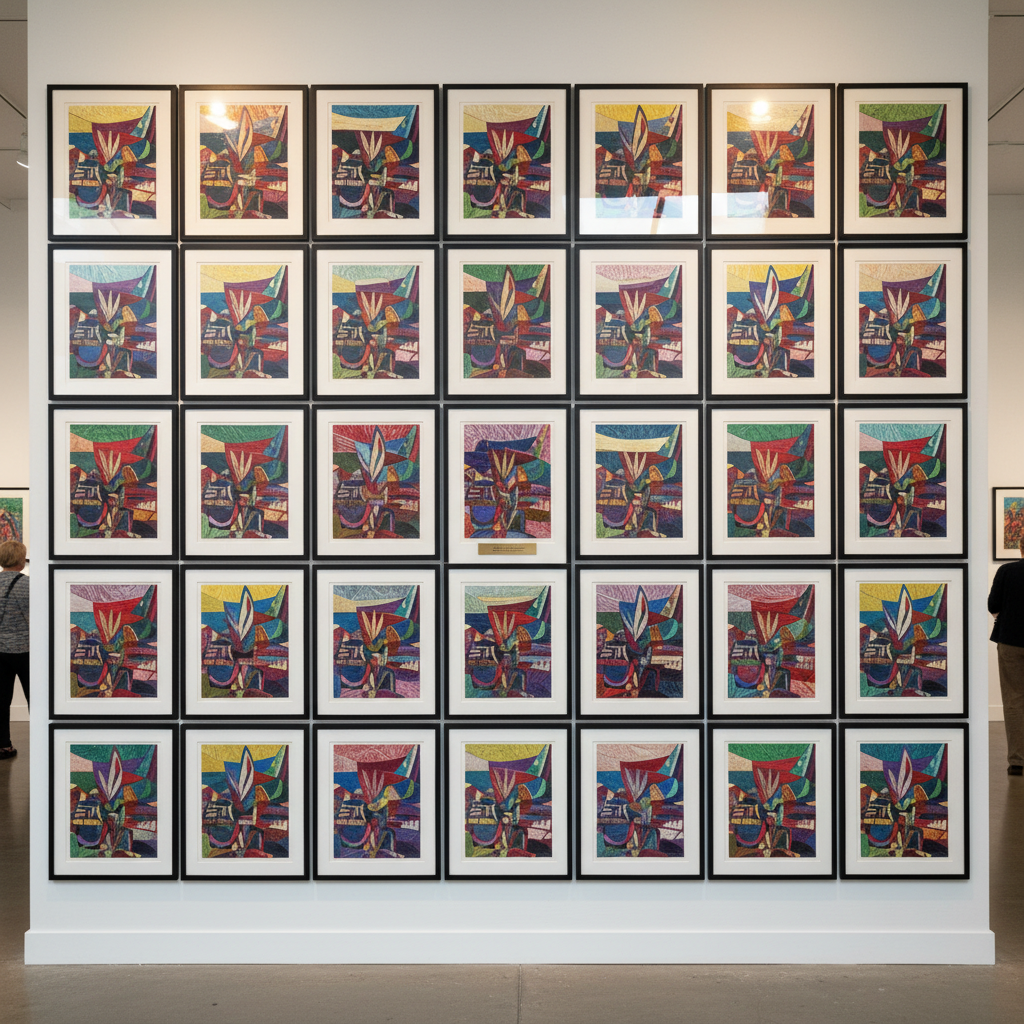
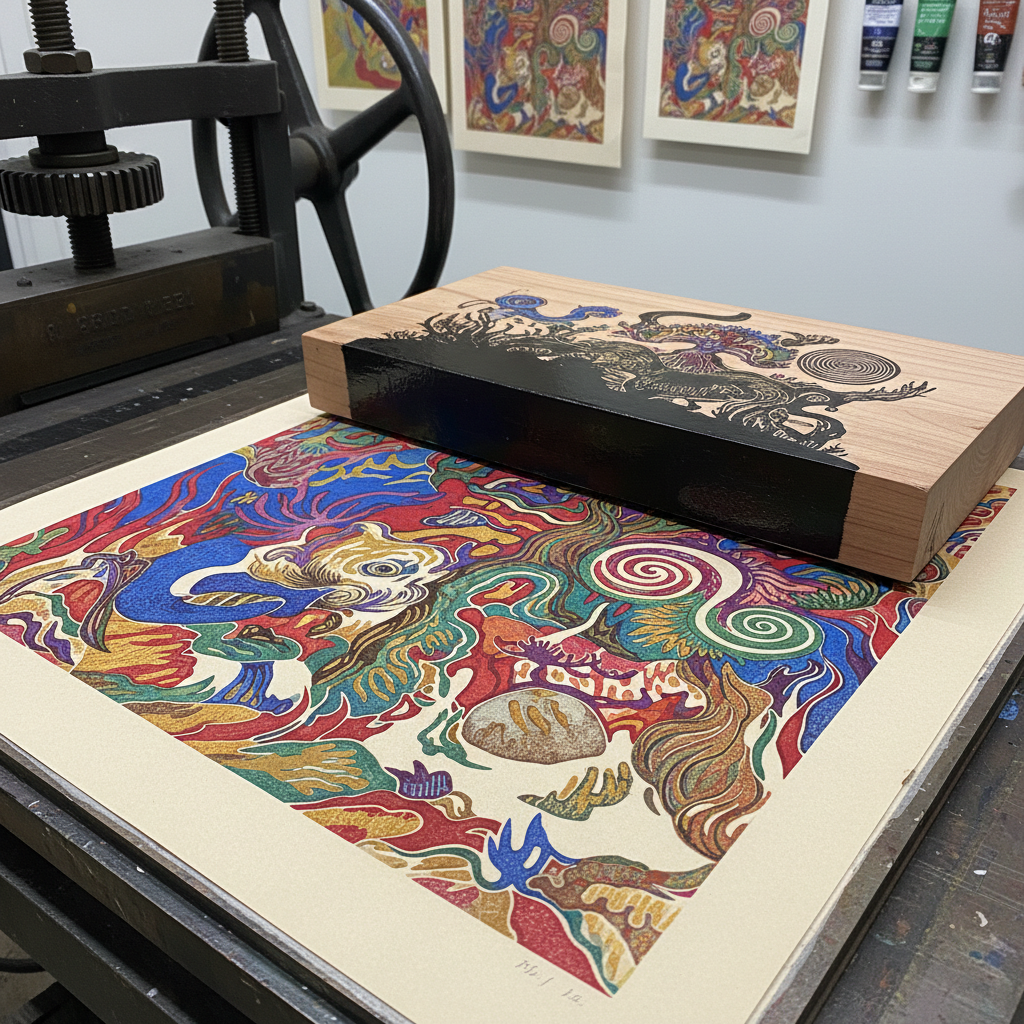
Each print is unique. Once the block is carved for the next color, the previous state is gone forever. There is no going back. That is the nature of reduction.
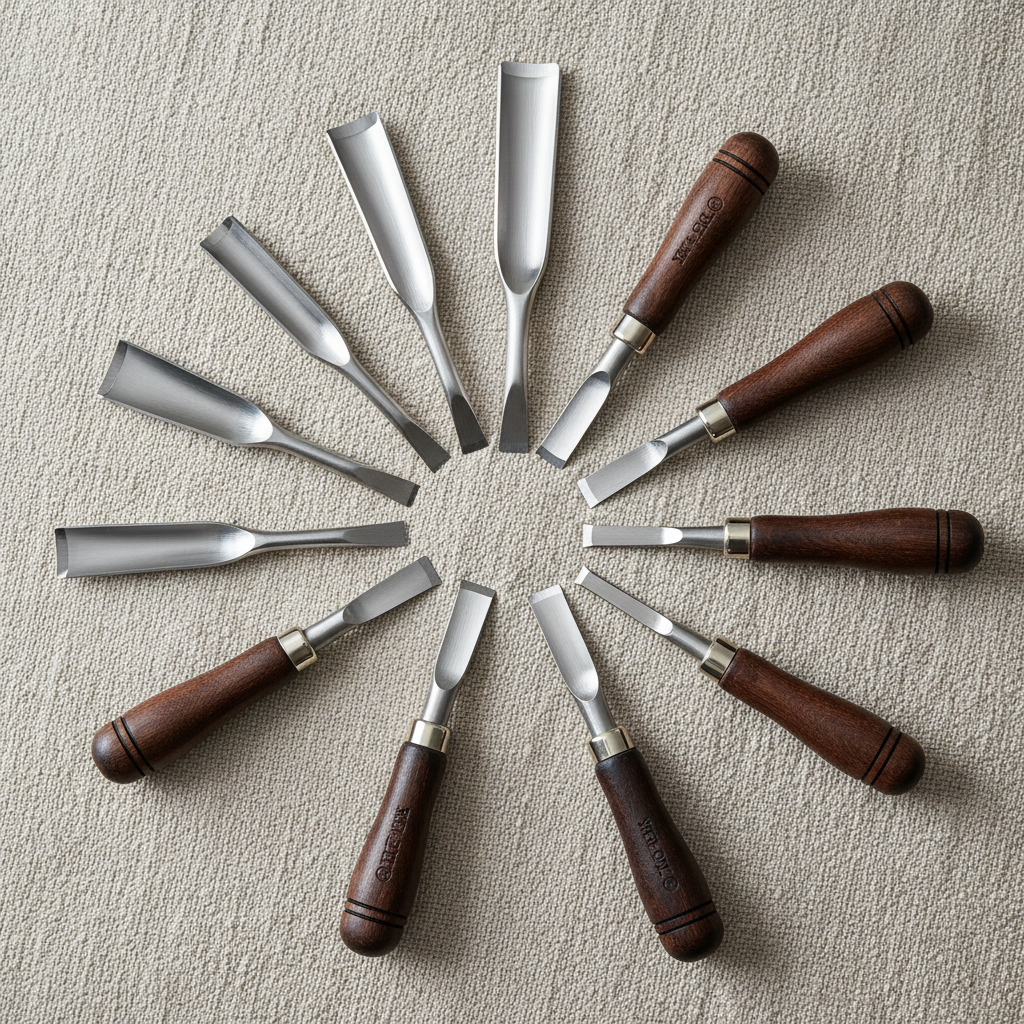

"I carved myself out of the image so the image could exist. That is the only way a reduction woodcut works. You give until there is nothing left to take."
Begin the Conversation
Every commission starts the same way — with a problem worth solving and enough patience to let the press find the answer. No pricing on this page. That comes later, after we understand what you need.